|
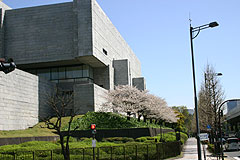
最高裁判所の手前を左折すると国立劇場へ。桜田門へは最高裁判所を左手に見て皇居のお濠まで進む。この付近は春のさくら、秋の紅葉で美しい。
憲法は、国が守るべき「根本的なルール」であり、一般の法律とはその性質が大きく異なります。その役割は、主に以下の3つの視点から整理できます。
By Gemini
1. 国家権力を制限する(立憲主義)
これが憲法の最も重要で本質的な役割です。
法律が「国民が守るべきルール」であるのに対し、憲法は「国(権力者)が守るべきルール」です。国家権力(政治家、公務員、警察など)が暴走して国民の自由や権利を侵害しないよう、あらかじめ憲法で権力に枠をはめて縛っています。この考え方を「立憲主義」と呼びます。
2. 国民の基本的人権を保障する
憲法は、人間が人間として生まれながらに持っている権利(基本的人権)を、侵すことのできない永久の権利として保障しています。
精神的自由: 思想・良心の自由、信教の自由、表現の自由など
経済的自由: 職業選択の自由、財産権の保障など
社会権: 生存権(健康で文化的な最低限度の生活を営む権利)など
3. 国の形(統治機構)を定める
国をどのように運営していくかという仕組みを定めています。
国民主権: 国の政治のあり方を最終的に決める力は国民にあること。
三権分立: 権力が一箇所に集中しないよう、「立法(国会)」「行政(内閣)」「司法(裁判所)」の3つに分ける仕組み。
象徴天皇制: 日本における天皇の地位と役割の定義。
[補足] 最高法規性
憲法は国の「最高法規」です。憲法に反する法律や命令、政府の行為はすべて無効となります(日本国憲法第98条)。これにより、憲法が定める民主主義の土台が守られています。
The Role of
the Constitution
The
Constitution is the "fundamental
rulebook" that a nation must follow, and
its nature differs significantly from that of ordinary laws. Its roles can be
summarized through the following three perspectives:
1. Limiting
State Power (Constitutionalism)
This is the
most essential and fundamental role of the Constitution. While ordinary laws
are "rules that citizens must follow," the Constitution consists of "rules that the State (those in power) must
follow." To prevent state power
(politicians, public officials, police, etc.) from overstepping and infringing
upon the freedoms and rights of the people, the Constitution pre-emptively sets
boundaries to restrain that power. This concept is known as "Constitutionalism."
2.
Guaranteeing Fundamental Human Rights
The
Constitution guarantees the rights that people are born with as human beings (fundamental human rights)
as inviolable and eternal rights.
Spiritual Freedom:
Freedom of thought and conscience, freedom of religion, freedom of expression,
etc.
Economic Freedom:
Freedom to choose one's occupation, guarantee of property rights, etc.
Social Rights:
The right to life (the right to maintain the minimum standards of wholesome and
cultured living), etc.
3. Defining
the Structure of Government (Governance Mechanism)
It
establishes the framework for how the country is operated.
Sovereignty of the People:
The principle that the ultimate power to decide the course of national politics
resides with the people.
Separation of Powers: A system that divides power into three branches"Legislative (Diet),"
"Executive (Cabinet)," and "Judicial (Courts)"?to ensure
that power is not concentrated in one place.
Symbolic Emperor System:
Definition of the status and role of the Emperor in Japan.
[Note] Supremacy of the Constitution
The Constitution is the "Supreme
Law" of the nation. Any law, ordinance, or government act
that contradicts the Constitution is deemed null
and void (Article 98 of the Constitution of Japan). This ensures
that the foundation of democracy established by the Constitution remains
protected.
|